Copper Gutters for Historical Homes in Tigard: Weighing the Pros and Cons
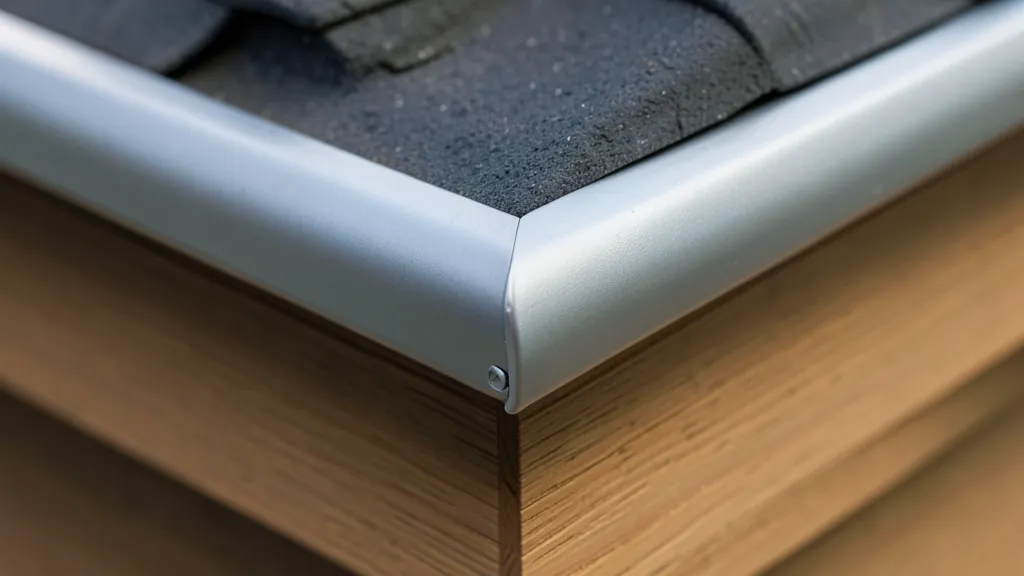
Copper gutters add timeless elegance to historical homes, but they’re not just about looks. We’ve installed and maintained them across Tigard, Beaverton, and Lake Oswego, so we know the real-world trade-offs—from the iconic patina to long-term performance in our wet climate.
Why Copper Gutters Stand Out for Historic Properties
Copper gutters develop a distinctive greenish-blue patina over time, blending seamlessly with older architecture. This natural oxidation doesn’t just look authentic—it also enhances corrosion resistance.
In Tigard’s historic neighborhoods, where original character matters, copper’s longevity (often 50+ years) outlasts aluminum or vinyl. It’s a premium choice for homes where curb appeal and durability are non-negotiable.
The Undeniable Advantages of Copper
Copper is naturally corrosion-resistant, making it ideal for the Pacific Northwest’s heavy rainfall. Unlike steel, it won’t rust, and it handles Tigard’s damp winters without degrading.
It’s also lightweight yet strong, reducing stress on fascia and roof structures. This is critical for older homes in Beaverton or Tualatin, where structural integrity can be a concern.
The material is 100% recyclable, aligning with Oregon’s eco-conscious values. Plus, its antimicrobial properties inhibit moss and algae growth—a common issue in our shaded, moist areas.
That green patina isn’t just aesthetic—it’s a protective layer. The longer it develops, the more resistant your gutters become to the elements.
The Drawbacks to Consider Before Installing
Copper gutters come with a higher upfront cost than aluminum or vinyl. The price reflects material value, craftsmanship, and the need for professional installation—especially for historical homes with intricate roof lines.
They’re also softer than steel, so they can dent under heavy debris (like falling branches in King City or Durham). This means more careful maintenance during gutter cleaning or repair work.
Electrolytic corrosion can occur if copper contacts dissimilar metals (e.g., aluminum or steel fasteners). We always use copper or compatible hardware to prevent this.
Never pair copper gutters with aluminum or steel downspouts. The chemical reaction can cause premature failure. Stick to all-copper systems or use insulated connectors.
Copper vs. Other Gutter Materials: A Local Perspective
In Tigard’s climate, material choice directly impacts performance. Below, we compare copper to the most common alternatives for historical homes.
| Material | Lifespan | Corrosion Resistance | Aesthetic Appeal | Cost Factor |
|---|---|---|---|---|
| Copper | 50-100+ years | Excellent (patina protects) | High (classic, upscale) | Very High |
| Aluminum | 20-30 years | Good (resists rust) | Moderate (painted options) | Low-Moderate |
| Steel (Galvanized) | 15-25 years | Fair (rusts over time) | Low (industrial look) | Moderate |
| Vinyl | 10-20 years | Poor (cracks in cold) | Low (limited styles) | Low |
Maintenance Tips to Preserve Your Copper Gutters
While copper is low-maintenance, it’s not no-maintenance. Regular gutter cleaning prevents debris buildup that can scratch the surface or trap moisture, accelerating wear.
Avoid abrasive cleaners or tools—copper is soft and scratches easily. Instead, use a soft cloth or sponge with mild soap and water for cleaning.
Inspect for loose seams or fasteners, especially after Tigard’s windy storms. Copper expands and contracts with temperature shifts, so joints may need periodic resealing.
Copper Gutter Care Checklist
- Clean gutters and downspouts twice yearly (more if near trees in Lake Oswego or Tualatin)
- Check for dents or damage after severe weather
- Reapply sealant to joints every 2-3 years
- Avoid pressure washing—use gentle hand-cleaning instead
Climate Considerations for Tigard and Beyond
Our region’s wet winters and mild summers are tough on gutters. Copper thrives here because it resists rust and handles moisture without deteriorating—unlike steel, which can corrode in as little as 10 years.
However, the same moisture that benefits copper can also accelerate patina formation. Some homeowners in Beaverton or King City prefer to pre-patina their gutters for a uniform look from day one.
Heavy rainfall means your gutters must handle high water volume. Copper’s smooth surface allows for better water flow, reducing the risk of clogs or overflows during downpours.
Pairing Copper Gutters with Gutter Guards
Gutter guards can extend the life of your copper system by reducing debris buildup. However, not all guards are compatible. Mesh or screen-style guards work well, but reverse-curve systems may trap water against the copper, leading to premature aging.
In areas like Durham or Tualatin, where pine needles and maple seeds are common, a fine mesh guard prevents clogs while allowing water to flow freely. We recommend professional installation to avoid damaging the copper.
If you’re considering gutter guard installation, opt for copper or stainless steel guards to avoid galvanic corrosion. Aluminum guards can react with copper over time.
Stick to copper or stainless steel gutter guards. Aluminum or plastic guards can cause chemical reactions that degrade your gutters.
When to Repair vs. Replace Copper Gutters
Minor issues like small dents or loose seams can often be repaired without replacing the entire system. Copper is malleable, so skilled technicians can reshape dents or reseal joints to restore functionality.
However, if your gutters are severely corroded (unlikely with copper) or the patina has been stripped by harsh cleaners, replacement may be the only option. In historical districts, matching the original material is often a requirement.
For older homes in Tigard or Lake Oswego, we always assess the fascia and roof structure before recommending repairs. Copper gutters are durable, but the surrounding systems must support them.
How to Inspect Your Copper Gutters for Damage
Regular inspections help catch issues early, saving you from costly repairs or replacements.
- 1Check for Visible Damage
Walk around your home and look for dents, scratches, or discoloration. Pay special attention to seams and joints, where leaks often start.
- 2Test for Leaks
Use a garden hose to run water through the gutters. Watch for drips or water pooling at the seams—this indicates a need for resealing.
- 3Inspect Downspouts
Ensure water flows freely through downspouts. Clogs or slow drainage can cause backups, leading to overflow and potential damage to your home’s foundation.
- 4Look for Fastener Issues
Check that all screws, rivets, or hangers are secure. Loose fasteners can cause gutters to sag or pull away from the roof, especially in windy areas like Beaverton.
- 5Assess the Patina
A uniform patina is normal, but uneven coloring or bare spots may indicate chemical damage or excessive cleaning. Avoid using vinegar or bleach-based cleaners on copper.
Frequently Asked Questions
Do copper gutters work well in Tigard’s rainy climate?
Absolutely. Copper is one of the best materials for wet climates like ours. It resists corrosion, handles heavy rainfall, and actually improves with age as the patina forms. Just ensure proper installation and maintenance to maximize performance.
How long do copper gutters last compared to aluminum?
Copper gutters typically last 50-100+ years, while aluminum gutters last about 20-30 years. Copper’s durability justifies its higher upfront cost, especially for historical homes where longevity is a priority.
Can I install copper gutters myself?
We don’t recommend DIY installation for copper gutters. The material is soft and requires precise handling to avoid dents or scratches. Plus, improper sealing or fastener choices can lead to electrolytic corrosion or leaks. Professional installation ensures a watertight, long-lasting system.
Will copper gutters turn green in Tigard’s weather?
Yes, copper gutters develop a greenish-blue patina over time due to oxidation. In our damp climate, this process may happen faster than in drier regions. The patina is protective and enhances the gutters’ resistance to the elements.
Are copper gutters compatible with gutter guards in Lake Oswego or Tualatin?
Yes, but material compatibility is key. Use copper or stainless steel gutter guards to avoid galvanic corrosion. Mesh or screen-style guards work best, as they allow water to flow freely while keeping debris out.
What’s the most common issue with copper gutters in historical homes?
The most common issues are dents from falling debris (common in tree-lined neighborhoods like Durham) and loose seams due to temperature fluctuations. Regular inspections and gentle maintenance can prevent these problems from worsening.